
Austin clay soil and the seasons: how often to check your foundation
By Timothy Moose, Managing Editor · Updated 2026-11-06
Central Texas swings between drought and downpour, and the clay under many homes swings with it. That is why foundation care here is partly a calendar habit. You do not need to be an expert. You need a short routine and a place to write notes. This is general information, not engineering advice.
Why timing matters
Clay shrinks as it dries and swells when it gets wet. Long dry spells open gaps near the slab edge, and heavy rain afterward can push moisture in unevenly. The movement is gradual, which is why a note and a photo in each season is more useful than memory.
A seasonal routine
| Season | What to check |
|---|---|
| Late winter | Cracks you marked last year, gutters and downspouts |
| Late spring | Grading after spring storms, any new gaps at doors and windows |
| Midsummer | Dry soil gaps along the slab edge, plant roots close to the house |
| Early fall | Drainage before the wetter months, crawl space moisture if you have one |
What to track
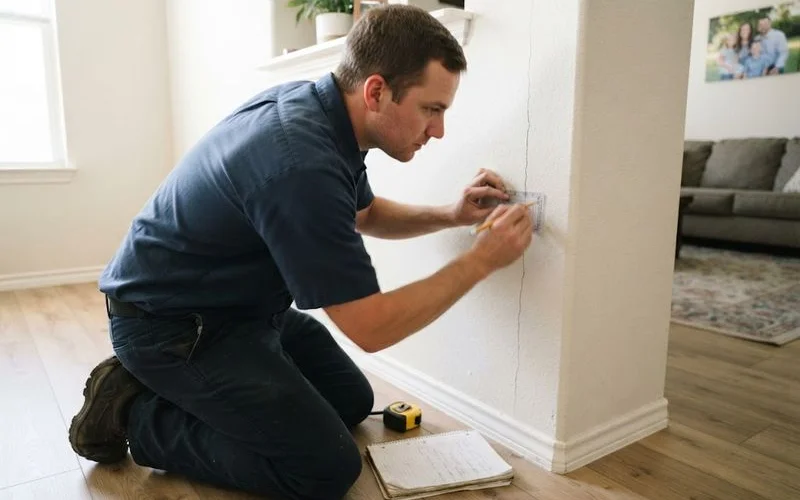
- Pencil marks and dates at the ends of cracks
- Door and window sticking
- Floor slope, using a marble or level in the same spot
- Gaps between the soil and the slab
Photograph the same spots from the same angles each time.
Soil and plant habits
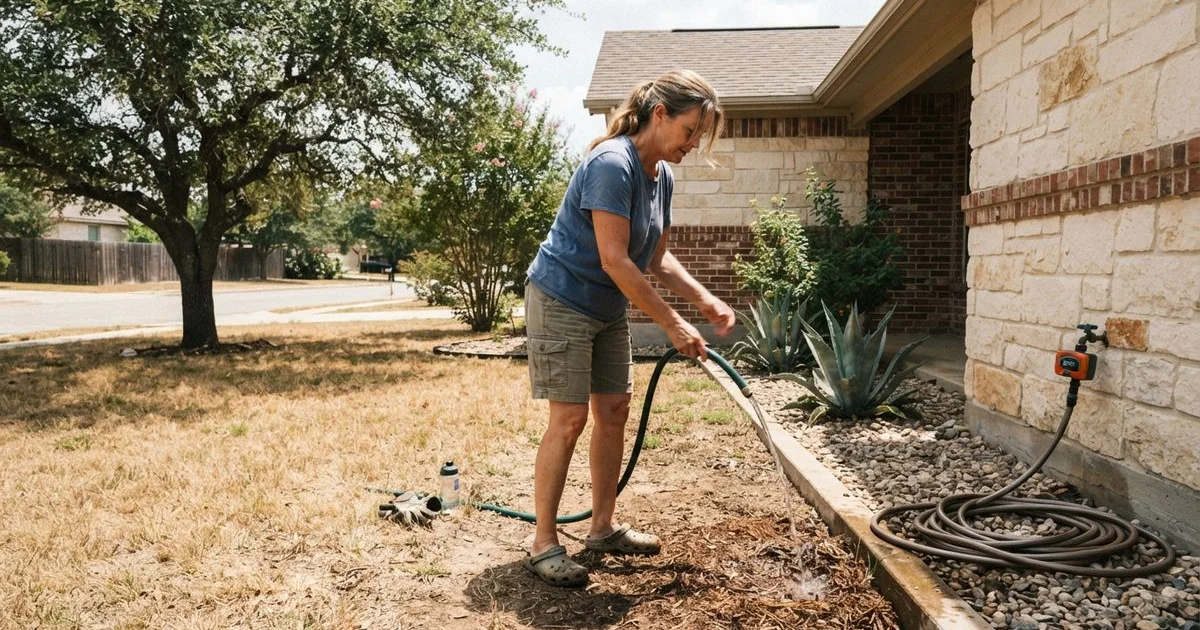
Keep large trees away from the walls where you can, since roots pull moisture from the soil. Keep the grade sloping away. Some owners run soaker hoses during droughts, spaced evenly around the house. Done unevenly, it can cause the problem it tries to prevent.
Drought, then flood
The hardest conditions for clay soil are a long dry spell followed by heavy rain. The soil cracks and shrinks, then swells rapidly when water returns, and the foundation may move quickly in the process. After a stretch like that, do an extra check: look for new cracks, listen for doors that catch and check the grade.
Watering and other habits
A few owners water the soil near the slab during droughts with soaker hoses to limit shrinkage. Opinions differ on how effective it is, and doing it unevenly can cause the very uneven moisture you are trying to avoid. Talk to an inspector or engineer before starting a routine, and never let water pool against the wall.
Keeping a house file
A simple folder holds a lot: dated photos, your crack measurements, past reports, receipts and warranty papers. When you call a company or sell the house, that record saves time and gives you leverage. It also helps an engineer see change over time rather than a single snapshot.
When a buyer or seller
If you are buying, a foundation inspection before closing is worth considering. If you are selling, a clean record of monitoring and any repairs reassures buyers.
When to call someone
Call for an inspection if cracks grow, doors stop closing, or you see a new gap wider than a pencil. Concern is higher after both a hot dry summer and a wet fall. Local companies in our directory range widely, and our reviews show people value clear communication and honest assessments. Our scoring method shows how we weigh that.
Explore the rest of the directory from the home page.
Frequently asked questions
- How often should I inspect my foundation?
- A quick walk-around twice a year is reasonable, plus a look after unusually dry or very wet spells.
- Should I water my foundation?
- Some owners water evenly during long dry spells to limit shrinkage. Do it evenly and avoid overwatering. Ask a professional about your situation.
- When is the worst time for movement?
- Extended drought followed by heavy rain is a common trigger.
- Do new houses need checks?
- Yes. New slabs also settle, and builder warranties are time-limited. Read yours.